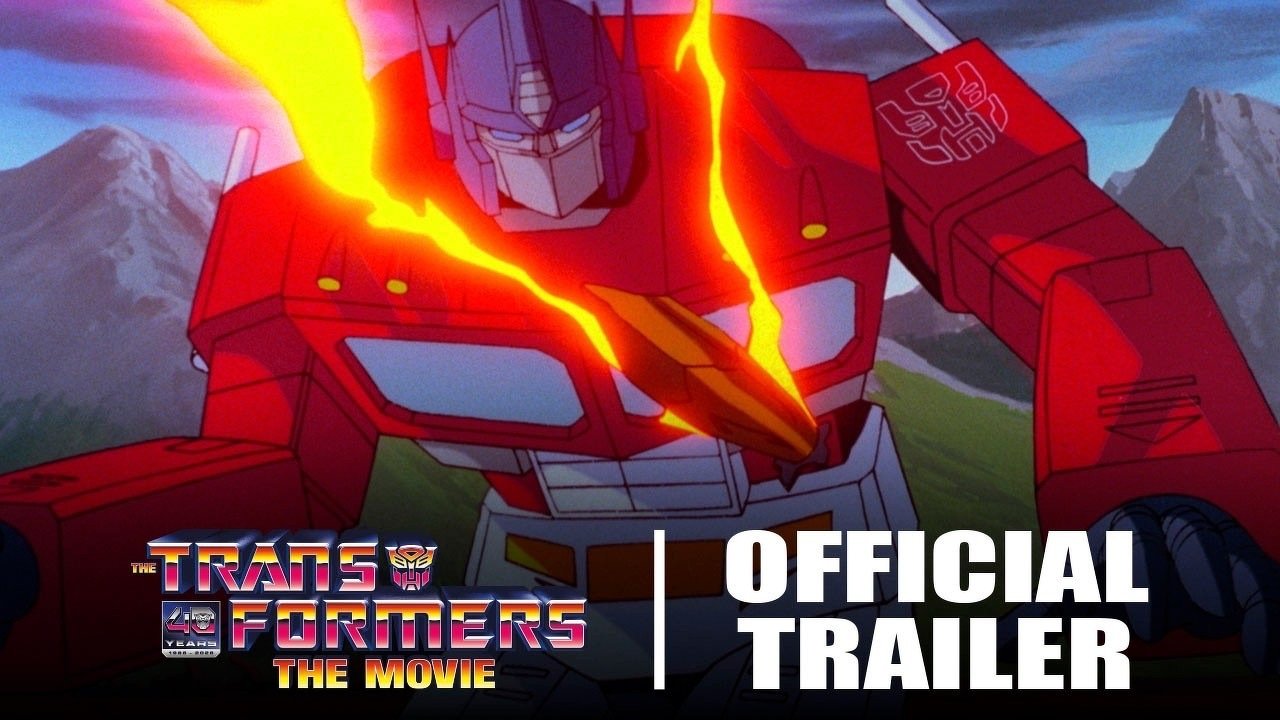
Transformers: The Movie is showing in theaters in 4K starting in September to celebrate its 40th anniversary. I’m going to be like a kid when this comes out. I was so excited when the movie first dropped and fulfilled expectations with drama, action, and a great cast of voice actors.
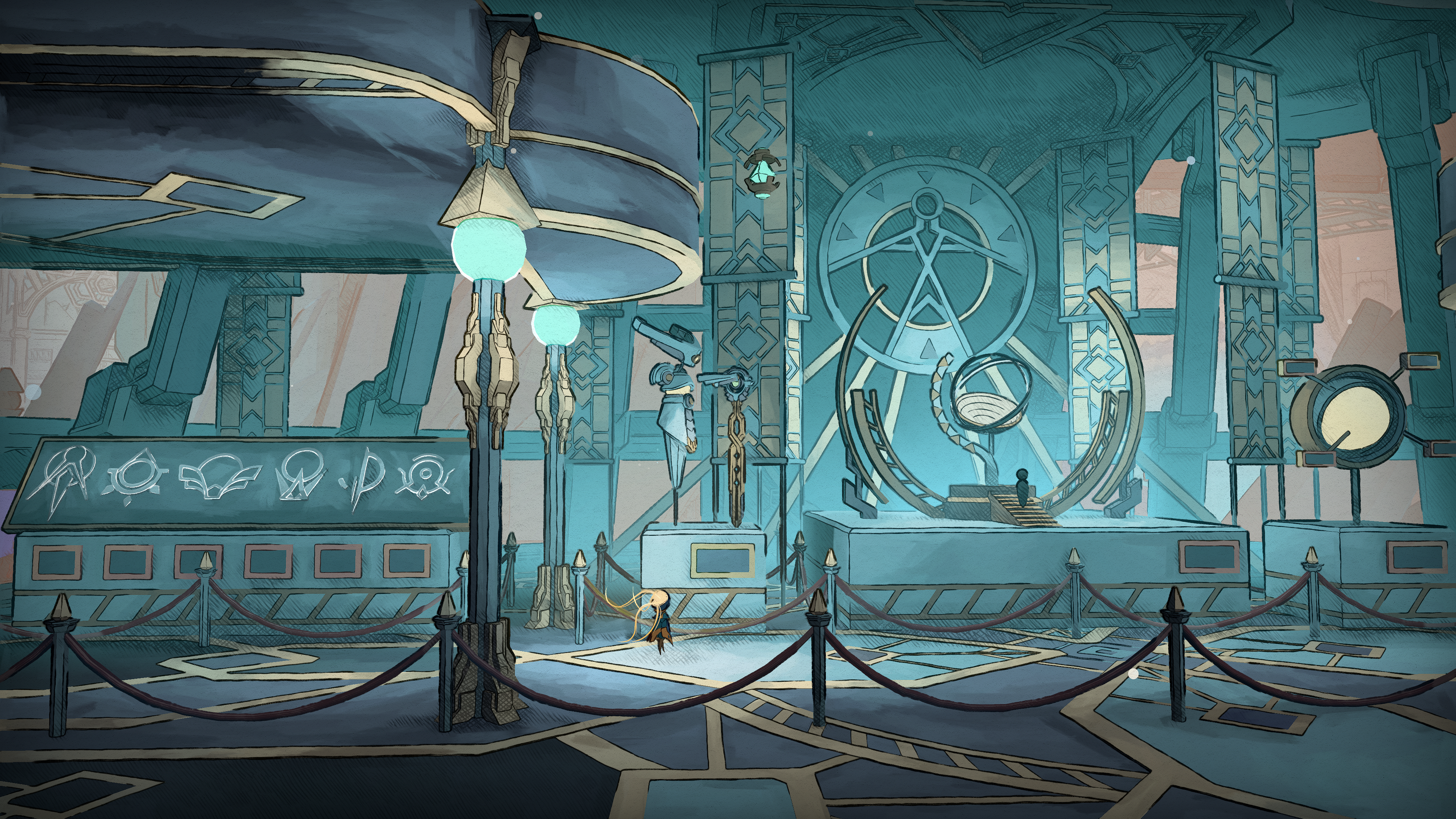
I’ve been playing a new video game called MIO: Memories in Orbit. I have a bit of a soft spot for what they call Metroidvania’s (a portmanteau of Metroid and Castlevania), having grown up loving games in the genre. In this game, you “Play MIO, a nimble robot with extraordinary abilities, and unravel the mysteries of the Vessel, an enormous technological ark overgrown with lush vegetation and machines gone rogue.” My brother is playing at the same time, and it’s almost like being in a book club. Or, at least how I imagine it is to be in a book club, as I’ve never actually been part of one. We share updates and new locations we’ve found with each other as we puzzle our way through this organic sci-fi ark.
See you in orbit.

Watched: Nightclubbing: The Birth of Punk Rock in NYC 🍿
Nightclubbing chronicled the rise and fall of Max’s Kansas City, a legendary New York club that helped birth the NYC punk scene and was sort of a rival of CBGB. I sensed that it didn’t take too much embellishment to highlight the wildness of that time and place. My favorite line in the film is uttered by trans singer Jayne County when she describes fighting with a guy who was heckling her and jumped on stage while she was performing at CBGB. To paraphrase, “I punched him and he fell off the stage, hit his head on a table, and gave himself a concussion.” Amazing how easy it is to self-administer head trauma when someone punches you. That was the scene at those clubs 45 years ago.
Buddy cop movie, The Mandolorian and Grogu hit theaters this weekend. The film is expected to gross about $102 million dollars over the Memorial Day holiday weekend. A sizable chunk of change. It’s probably fair to say those box office receipts, more than any other factor, drive the direction of the series.
Lest we ever forget that Star Wars is a product promotion vehicle as much as it is a film franchise, there’s Mel Brooks’ Spaceballs character Yogurt reminding us with his phrase, “merchandising, merchandising, merchandising,” as he hawks various Spaceballs products like breakfast cereals. It’s probably near incalculable how many units of toys the Star Wars franchise has moved over the years.
Every time I finish a novel in which I have invested a lot of time and emotion, I feel a bit unmoored. What other worlds are out there now that this one is gone? It’s like the characters in that world died and will be grieved. Some even after entering a new story.
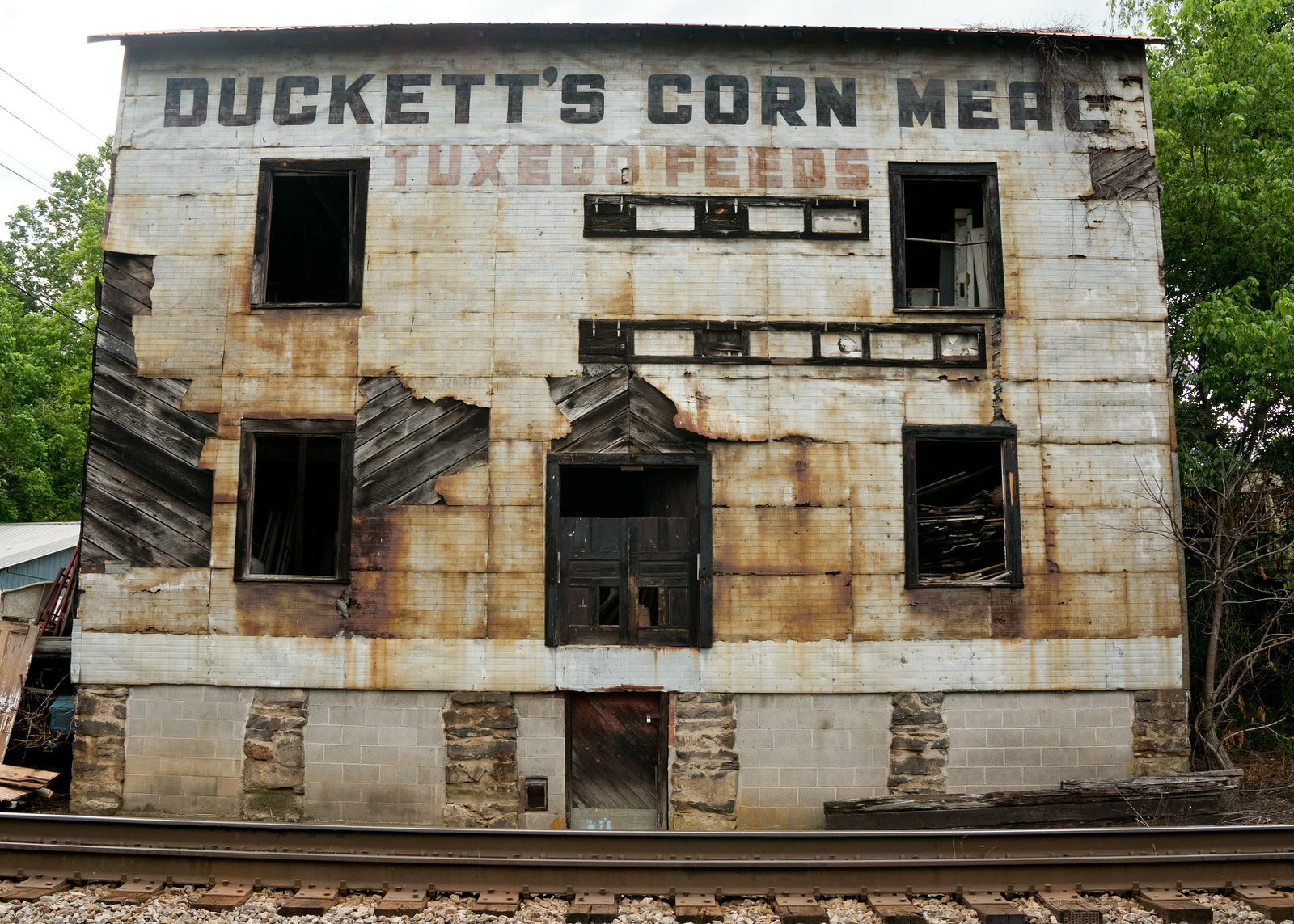
After I wrapped up reading Demon Copperhead last weekend, I had these feelings. I almost shed tears at the end of the book. There are no novels piling up in a stack for me to read, so I was bereft. I was almost present in Lee County, that little corner of Appalachia where most of the book takes place, for some period. My own trip to Appalachia recently only reinforced that feeling.
The third edition of John Brady’s This & That. zine reached my mailbox this week. As I read through it, I thought about the slower pace of communication from the past. In the book Of Human Bondage by W. Somerset Maugham, the residents of a small British town at the turn of the 20th century share a newspaper, each taking shifts throughout the day.
Soon after breakfast Mary Ann brought in the Times. Mr. Carey shared it with two neighbours. He had it from ten till one, when the gardener took it over to Mr. Ellis at the Limes, with whom it remained till seven; then it was taken to Miss Brooks at the Manor House, who, since she got it late, had the advantage of keeping it.
There’s something quaint and romantic about having such little and proscribed access to information. It’s almost the exact opposite of what we have today, with the glut of news and entertainment that we can barely hold off.
Culture: An Owner’s Manual has an edition focused on the significance of Rocky IV as a cultural artifact.
But unlike most bad films made in 1985, Rocky IV remains fascinating nearly forty years later. It has great value to us in 2024 as a relic — an artwork that embodies the unique stylistic choices of a particular point in time. Rocky IV is a time-traveling passport to 1985: the Manichaean Reaganite politics, the sassy robot maid, the soundtrack of power ballads and cold digital synths, the artless action-film editing and over-use of freeze-frame fade-outs, the casual lack of verisimilitude in using Wyoming as a stand-in for the Russian countryside.
My wife was arguing tonight that much of indie music in the 90s still sounds fresh and timeless today. I can see that in some ways, but overall I think the 90s was the last decade to have a real distinctiveness to its culture. You couldn’t make Empire Records or Belly’s “Feed The Tree” today. They just wouldn’t feel right in the current context.
W. David Marx writes on his blog Culture about 10,000 Maniacs and the earnest progressivism of the early alternative music culture.
Certainly 10,000 Maniacs were a bit over-the-top, but they fit seamlessly in the general aesthetic of “alternative” culture. Progressivism was cool in the 1980s. Merchant worked at a health food store, and before joining the band, considered a career in special-needs education. She was the one who pushed REM’s Michael Stipe to lurch towards more political content. These were the Reagan-Bush years, and artists resisted by drawing attention to the social ills that conservatives didn’t care about.
He contrasts that sort of authentic hope for change with today’s music, which has a very cynical live for the moment ethos. “Let us eat and drink, for tomorrow we die.”