Shareholder Value
People are expecting too much from corporations.

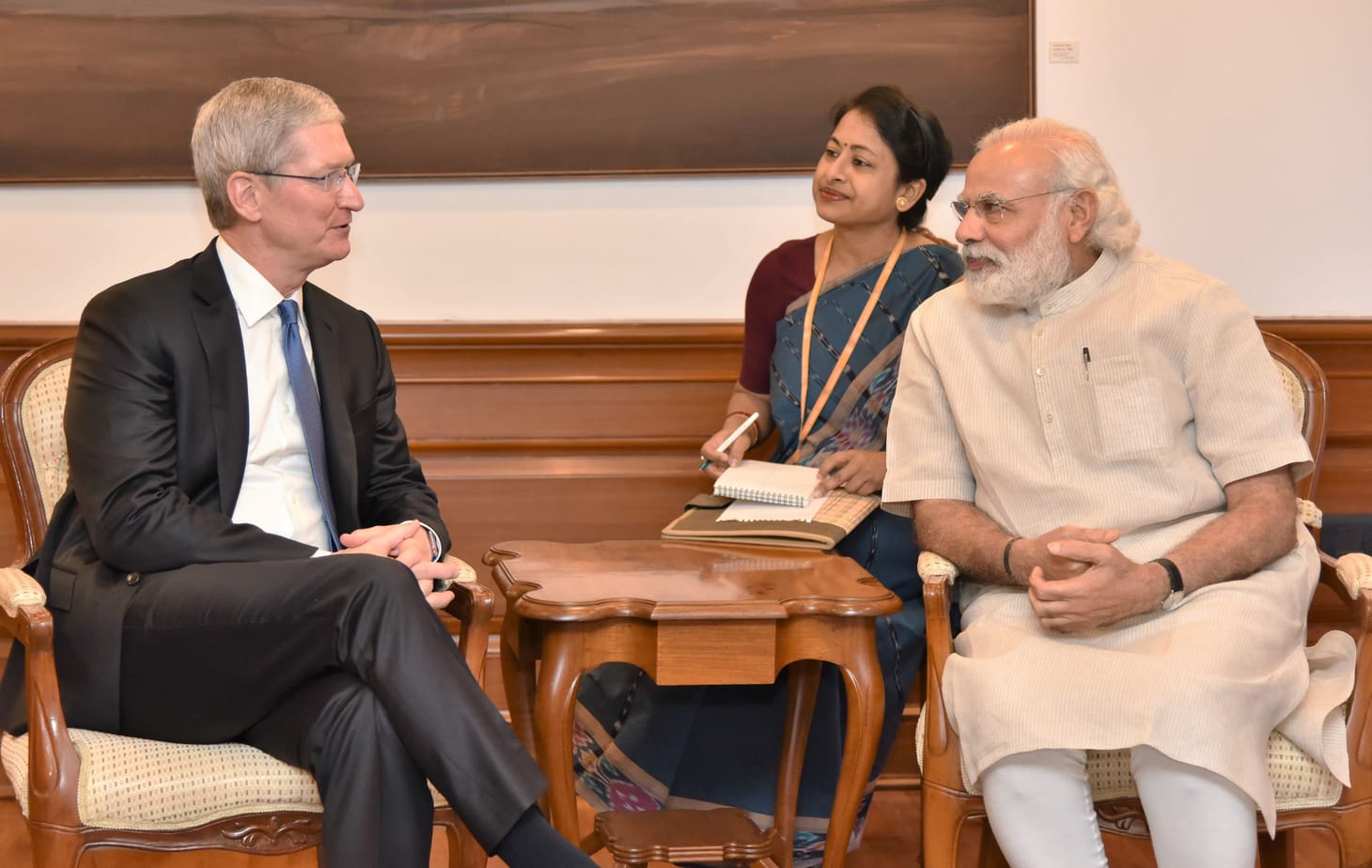
Peter Bryant argues for an approach to Apple that involves acknowledging the political climate we are in and making allowances for it. After another donation to the Trump administration by Apple CEO Tim Cook, he takes on those who are vowing to never buy another Apple product again with a lesson on for-profit enterprises. In short, they exist to create shareholder value.
In order to protect shareholder value, companies have to accept and work within their political and economic environment. The reality is that — in the current political climate — Apple’s shareholder value is directly tied to Donald Trump’s personal opinion of Tim Cook. If Trump decides one day that he doesn’t like Cook, he will impose tariffs on Apple’s supply chain such that the iPhone price could double. Then nobody would buy iPhones, and Apple’s stock price would tank. That is the world we live in.
I read takes like these and have a kind of "duh" reaction. Of course, these companies exist to make money. In the age of metaphysical capitalism, though, people expect the companies they identify with to share their values. It was easier for profitable enterprises to fake this a few years ago, when cultural, governmental and financial trends incentivized them to do so. Now that they face a less hospitable climate in which virtue is no longer so easily signaled without cost to the enterprise, they are less willing to put up the charade. The truth is that companies like Apple were making ethics a part of their value proposition. When the return-on-investment was favorable, it made sense.
Many people buy into this marketing. With the decline of civic institutions and religion, companies like Apple become more than just peddlers of product (or services) to consumers. They end up being the focus of intense loyalty and, along with that, unrealistic expectations. I've seen employee opinion surveys that express dissatisfaction with employers for not supporting the taker's political causes with sufficient enthusiasm. Companies have courted this sort of loyalty with their exaggerated claims of social consciousness and the curtain has finally been pulled back.

Treasure Hoard
Sign up for Treasure Hoard to receive email digests in your inbox.