Culture

  • Waffle House Fever

    The World Cup is now over. It was fun to have people around the globe wrapped up in sport instead of the dreary and terrible things going on now thanks to the malevolent actors in charge of our governments. My wife was particularly enamored with seeing football tourists experiencing America for the first time. Their reactions to national institutions like Waffle House was fun. I just hope none of them were at the restaurant during the “bad time” like this unfortunate shark.

    Blahaj goes to Waffle House at 3am (YouTube)


    Digging the post punky soundtrack to this short. Speaking of music, I will say I missed hearing “World In Motion” by New Order at any point during the games.

    Fediverse reactions

  • Poptimus Prime

    Freddie deBoer writes about how poptimism has achieved so much success because of the cultural context in which it was born. A culture that considers it wrong to have standards that can identify one thing as better than another is fertile ground for the elevation of terrible art. That’s why we have record reviews that treat pay-for-play pabulum like Rebecca Black songs as if they were written by Neil Young. It’s a culture that feeds our desire for comfort rather than challenge.

    (more…)
    Fediverse reactions

  • Star Wars The Product

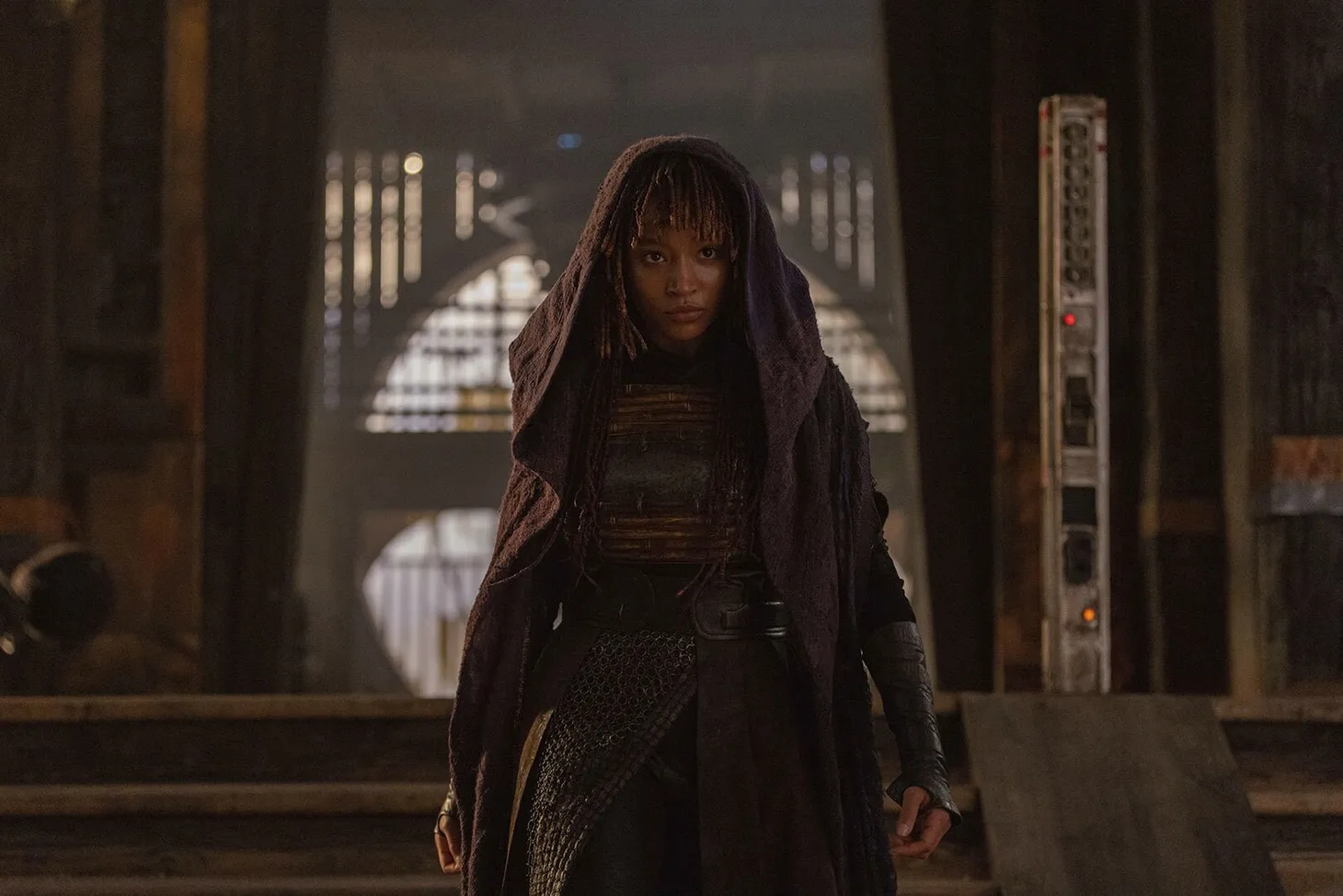
    Buddy cop movie, The Mandolorian and Grogu, hit theaters this weekend. The film is expected to gross about $102 million dollars by the end of the Memorial Day holiday. It’s probably fair to say those box office receipts, more than any other factor, drive the direction of the Star Wars series of films and television shows.

    read more…

  • The Foresyte Saga

    My wife and I thoroughly enjoyed the adaptation of The Forsyte Saga that aired early in the aughts and starred Damien Lewis, among others. The generation spanning historical drama scratched my itch for vast and ambitious period pieces.

    Last night, we watched the first episode of Masterpiece’s The Count of Monte Christo, hoping it would do justice to the sprawling epic that is one of our favorite books. The initial entry into the series seems promising. After the episode, a trailer for the new Masterpiece adaptation of The Forsytes aired. It was kind of a disappointment. It had the feel of Netflix period drama, with characters and situations that seem all-to-modern. One thing that always gets me as far as anachronistic elements go is the close cropped beards, even though there were no electric beard trimmers at the time. If the dudes look like guys you would find at Lifetime Fitness, I have a hard time suspending my disbelief.


  • The Novel Cure

    Every time I finish a novel in which I have invested a lot of time and emotion, I feel a bit unmoored. What other worlds are out there now that this one is gone? It’s like the characters in that world died and will be grieved. Some even after entering a new story.
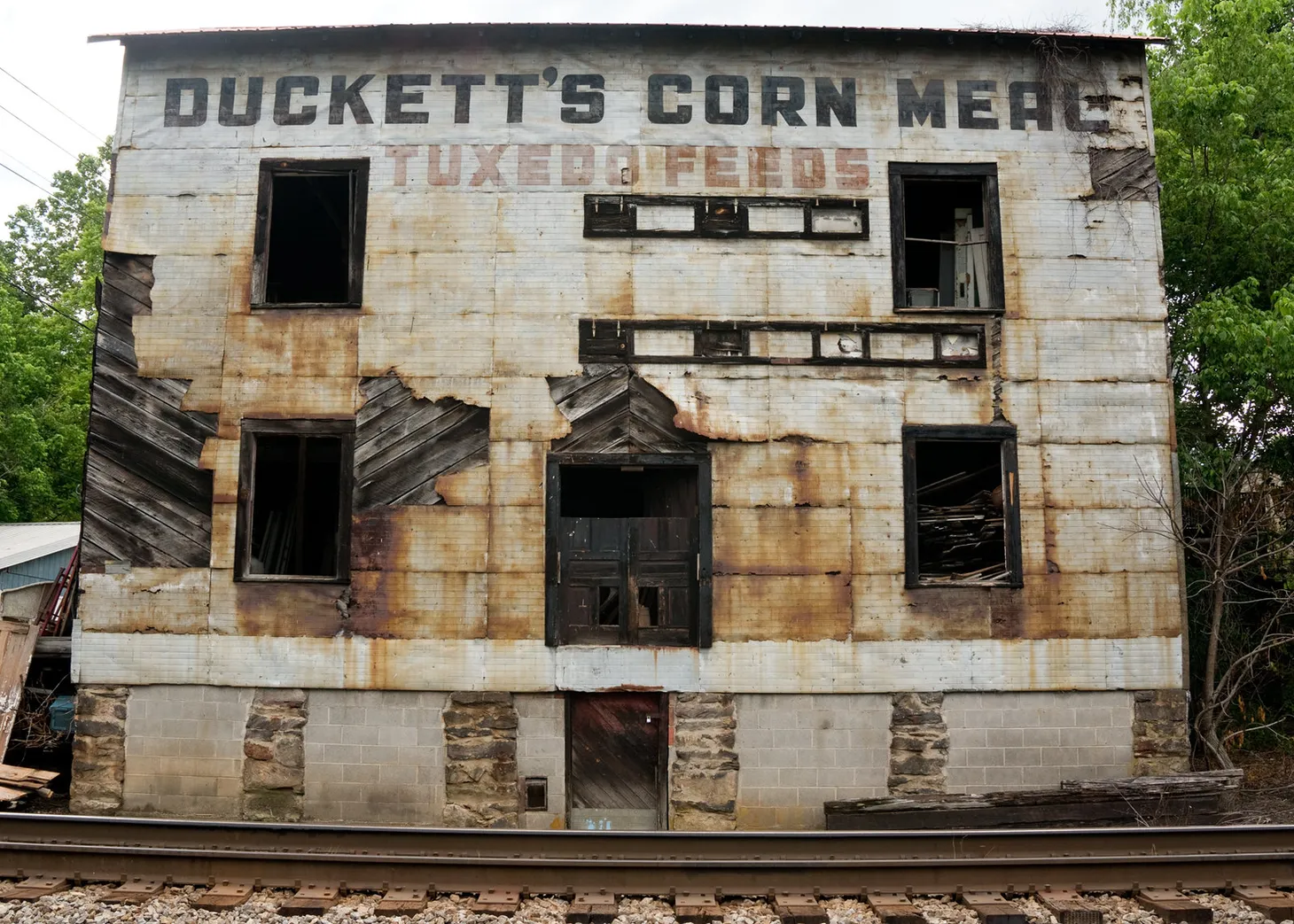
    After I wrapped up reading Demon Copperhead last weekend, I had these feelings. I almost shed tears at the end of the book. There are no novels piling up in a stack for me to read, so I was bereft. I was almost present in Lee County, that little corner of Appalachia where most of the book takes place, for some period. My own trip to Appalachia recently only reinforced that feeling.

    read more…

  • Of Human Bondage

    The third edition of John Brady’s This & That. zine reached my mailbox this week. As I read through it, I thought about the slower pace of communication from the past. In the book Of Human Bondage by W. Somerset Maugham, the residents of a small British town at the turn of the 20th century share a newspaper, each taking shifts throughout the day.

    Soon after breakfast Mary Ann brought in the Times. Mr. Carey shared it with two neighbours. He had it from ten till one, when the gardener took it over to Mr. Ellis at the Limes, with whom it remained till seven; then it was taken to Miss Brooks at the Manor House, who, since she got it late, had the advantage of keeping it.

    There’s something quaint and romantic about having such little and proscribed access to information. It’s almost the exact opposite of what we have today, with the glut of news and entertainment that we can barely hold off.

    read more…

  • Perfect Days

    I finally got around to watching Wim Wenders Perfect Days, in which it must be said that the city of Tokyo is as much a character as any of the actors. The beautiful, future-forward and unusual toilets which protagonist Hirayama has to clean for his meager living make many appearances. They set the stage for Hirayama to live his days, which illustrate an ordinary life and the events which conspire to disrupt the pleasant monotony. Hirayama conveys a wide range of emotions without saying much of anything.

    I was happy that I was able to correctly guess almost all the songs in the soundtrack. I also loved the minimalist sensibilities and the “a place for everything and everything in its place” angle.

    Perfect Days – Official Trailer (YouTube)


    Perfect Days (2023) is currently streaming on Hulu.


  • No Respect

    I was skimming through this Discogs article on comedy records the other day and came across the 1980 Rodney Dangerfield album No Respect. The a-side is a monologue called “No Respect” and the b-side is a monologue called “Son of No Respect.”

    A colleague of mine, who grew up in Mumbai, India, went to see Back To School, starring Dangerfield, on the first date with her now husband. Their marriage, like many in India still, was arranged. Going to a movie with him at that point was kind of scandalous. She stopped at a bodega on the way to the theater to let her mother know of this indiscretion.

    read more…

  • Cultural Stasis

    The first part of this piece was published as a separate post but I wanted to expand my thoughts and references. Expect more to come on the subject.


    W David Marx put out an edition of Culture: An Owner’s Manual last year focused on the significance of Rocky IV as a cultural artifact.

    But unlike most bad films made in 1985, Rocky IV remains fascinating nearly forty years later. It has great value to us in 2024 as a relic — an artwork that embodies the unique stylistic choices of a particular point in time. Rocky IV is a time-traveling passport to 1985: the Manichaean Reaganite politics, the sassy robot maid, the soundtrack of power ballads and cold digital synths, the artless action-film editing and over-use of freeze-frame fade-outs, the casual lack of verisimilitude in using Wyoming as a stand-in for the Russian countryside.

    My wife was arguing tonight that much of indie music in the 90s still sounds fresh and timeless today. I can see that in some ways, but overall I think the 90s was the last decade to have a real distinctiveness to its culture. You couldn’t make Empire Records or Belly’s “Feed The Tree” today. They just wouldn’t feel right in the current context.

    read more…

  • The Perfect Villain

    As I get ready to watch Andor: Season 2 this weekend, I appreciate this piece by Jim Vorel in Paste that serves as kind of ode an to Orson Krennic, this season’s villain.

    He has long been my favorite modern era Star Wars villain, and Andor season 2 is the perfect excuse to remind the world of why Krennic is such a fantastic character for this setting: Not because he’s an evil genius, but because he’s such a perfectly pathetic, bootlicking rube. In a fictional universe where the bad guys are typically overpowered space wizard warlords or cooly calculating strategists, Krennic is neither: He’s an entitled, petulant bureaucrat driven by a pathological need for praise and recognition, constantly being shown up and embarrassed by superiors and heroes who are far smarter than him. Which is to say, Orson Krennic is easily the most realistic of Star Wars villains, the guy who best encapsulates the worst aspects of our own society.

    Vorel doesn’t miss how well suited the character is to represent the kind of bumbling villainy we see in our current circumstances. Ben Mendelsohn was pitch perfect as Krennic in Rogue One. After his absence in the first season of Andor, I’m very much looking forward to seeing him reprise the role. Maybe his portrayal of such a relatable bad guy will even help to soften the blows that seem to come daily now from the baddies in the news. Who knows, perhaps this on-screen villain will even humanize the real ones in our lives.