Format Wars
It's difficult to decide whether buying physical media is worthwhile.

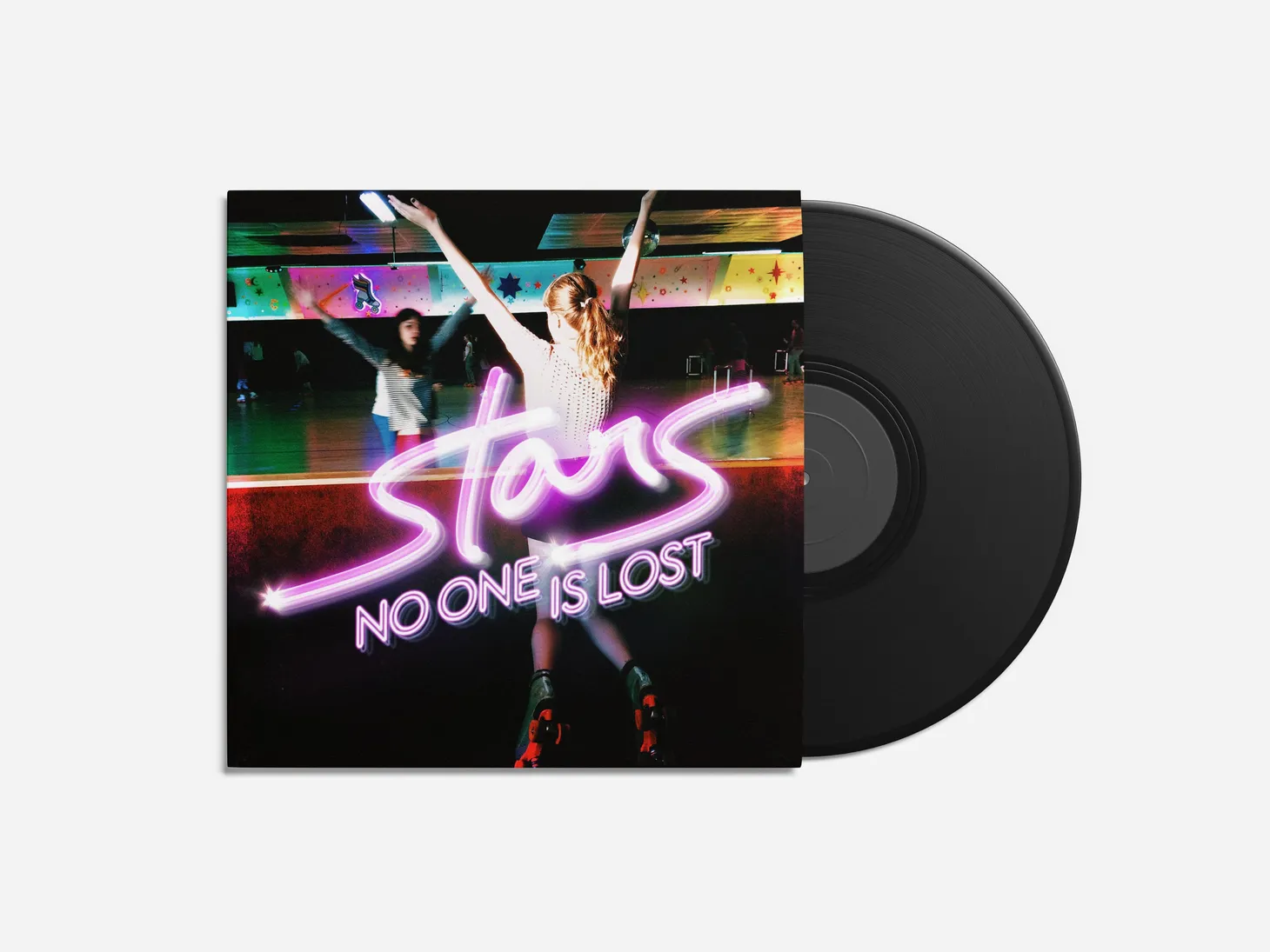
Now there are even more choices. Cassettes have made a minor comeback, CDs are still trucking along and even gaining popularity, and vinyl rules the physical format roost.1 It doesn’t stop there, though. All-you-can-eat streaming services are the most ubiquitous way to consume music. Thinking about which format is best now is even more complex.
I don’t mind spending the mental energy. If I’m thinking about something as inconsequential as which music format is preferable, I’m not worrying about more serious matters. Which means things are going pretty well.
I’ve been reading Brandon’s posts about his relationship with stuff and physical media with interest. He has struggled with a sort of hoarding mentality to which I can relate.
Luckily, the internet began to make things easier on me. YouTube, torrents, Archive… they all started doing the job I once did, for me, and I felt like I could let go. It wasn’t my responsibility to hold onto this random mp3s of the PM Dawn album released exclusively to their fan club because now it was easily found on YouTube. It offered me a bit of comfort, knowing that the internet allowed so many things to be preserved.
Then, just as I got rid of most of my physical media, things began becoming rare. Streamers started getting greedy and shows began disappearing, and once again, I felt the need to save it all. I began buying DVDs and blu-rays as a way to save these shows. I would never have to worry about not finding Roseanne streaming, because I owned it.
I’ve dealt with the preservationist instinct, as well, then had some success in giving it up, only to see it return with the inconsistent availability of music online.
The approach that seems best is a mixed one. Giving up streaming is hard, especially if you’ve become as musically promiscuous as I have. Most of us simply aren’t materially blessed to the extent that we can have enormous libraries of our favorite audio media. At the same time, there’s something gratifying about handling a physical object with cover art that correlates with the music. Memories are deeper and connections to the sounds stronger.
Collecting physical media can get expensive. CDs, which have always sold for much more than it takes to produce them, are still retailing for around the same price they were in the 90s. However, if you’re like me, you don’t have a record store nearby that sells the music you want.2 Ordering a CD from Bandcamp will usually run over $20 when you include shipping costs. That’s more than the monthly price of most streaming subscriptions, and they give you access to a world of music (often at hi-res quality). Records are even more expensive. At least it makes more sense, though, given the difficulty in manufacturing them and the fact that they are analog, and therefore qualitatively different than digital files.
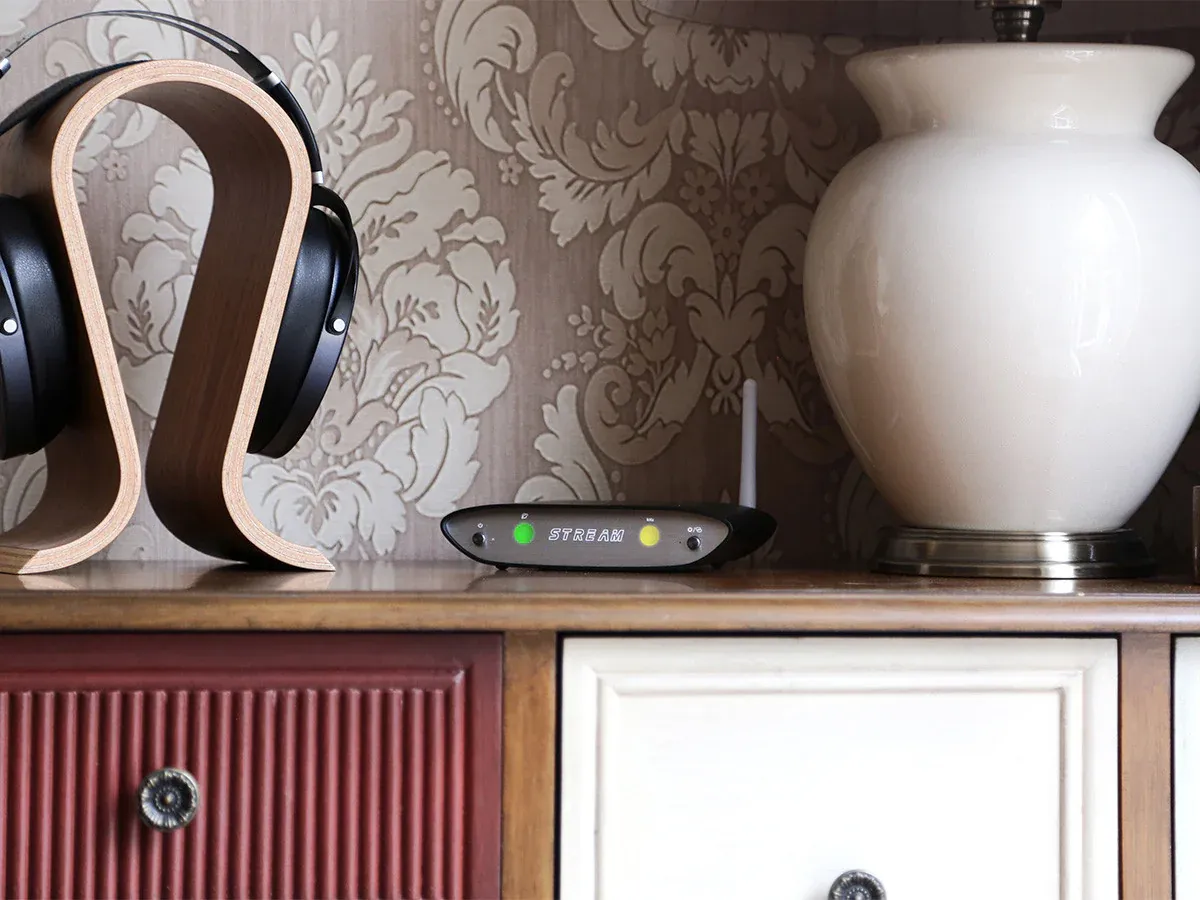
I’ve been looking at this streamer with a retro-futuristic look to connect to my main stereo. That would allow me to access the whole catalogue of streaming titles and still buy digital music (without having to deal with shipping). It’s a good chunk of change but would certainly save money in the long run from not paying for physical media. Physical purchases can be reserved for those special releases.

Treasure Hoard
Sign up for Treasure Hoard to receive email digests in your inbox.