Hacktivism can sometimes be understandable. Yet it amazes me that some people would think that to attack school teachers and students is to live a meaningful and purposeful life.
I just signed up for access to Attie, a new AI-based app from Bluesky, which allows you to shape your feed on the social network using plain language. To be honest, I wasn’t that excited about the app when it was first announced. It can be hard these days to sift through the AI hype to locate the value in some of these propositions.
Then I came across an old quote I had saved about blogging. Henrik Karlsson wrote in 2022 that a blog post “is a very long and complex search query to find fascinating people and make them route interesting stuff to your inbox.” Karlsson was sparked to this realization after writing an essay about Ivan Illich and systems thinking, and being introduced to it by many who wanted to discuss the topic.
With the announcement on the A New Social blog that Bridgy Fed — which has been helpful in syndicating my Fediverse posts from Ghost to Bluesky — was bringing longform to the Atmosphere, I found myself wanting to play with some of the current blogging tools running on AT Proto.1 Unfortunately, even with the aid of a super-smart LLM, I couldn’t get the standard.site integration working. I was either getting errors that I was missing the domain parameter when using my ActivityPub account or a 404 when I was using my domain account. Damned if you do…
If you live in a first-world country with a sizable knowledge work sector, you might find it hard to escape the subject of AI. That’s probably an understatement. We are saturated with talk of artificial intelligence and, in particular, large language models. The economist Edgar R. Fiedler is quoted as saying, “He who lives by the crystal ball soon learns to eat ground glass,” but that hasn’t stopped the proliferation of prognostication on the subject of AI.
Matt Shumar posts his take as an insider working with AI on the Xitter site. He issues a clarion call to those who may not be as close as he is to what is happening in the industry.
I should be clear about something up front: even though I work in AI, I have almost no influence over what’s about to happen, and neither does the vast majority of the industry. The future is being shaped by a remarkably small number of people: a few hundred researchers at a handful of companies… OpenAI, Anthropic, Google DeepMind, and a few others. A single training run, managed by a small team over a few months, can produce an AI system that shifts the entire trajectory of the technology. Most of us who work in AI are building on top of foundations we didn’t lay. We’re watching this unfold the same as you… we just happen to be close enough to feel the ground shake first.
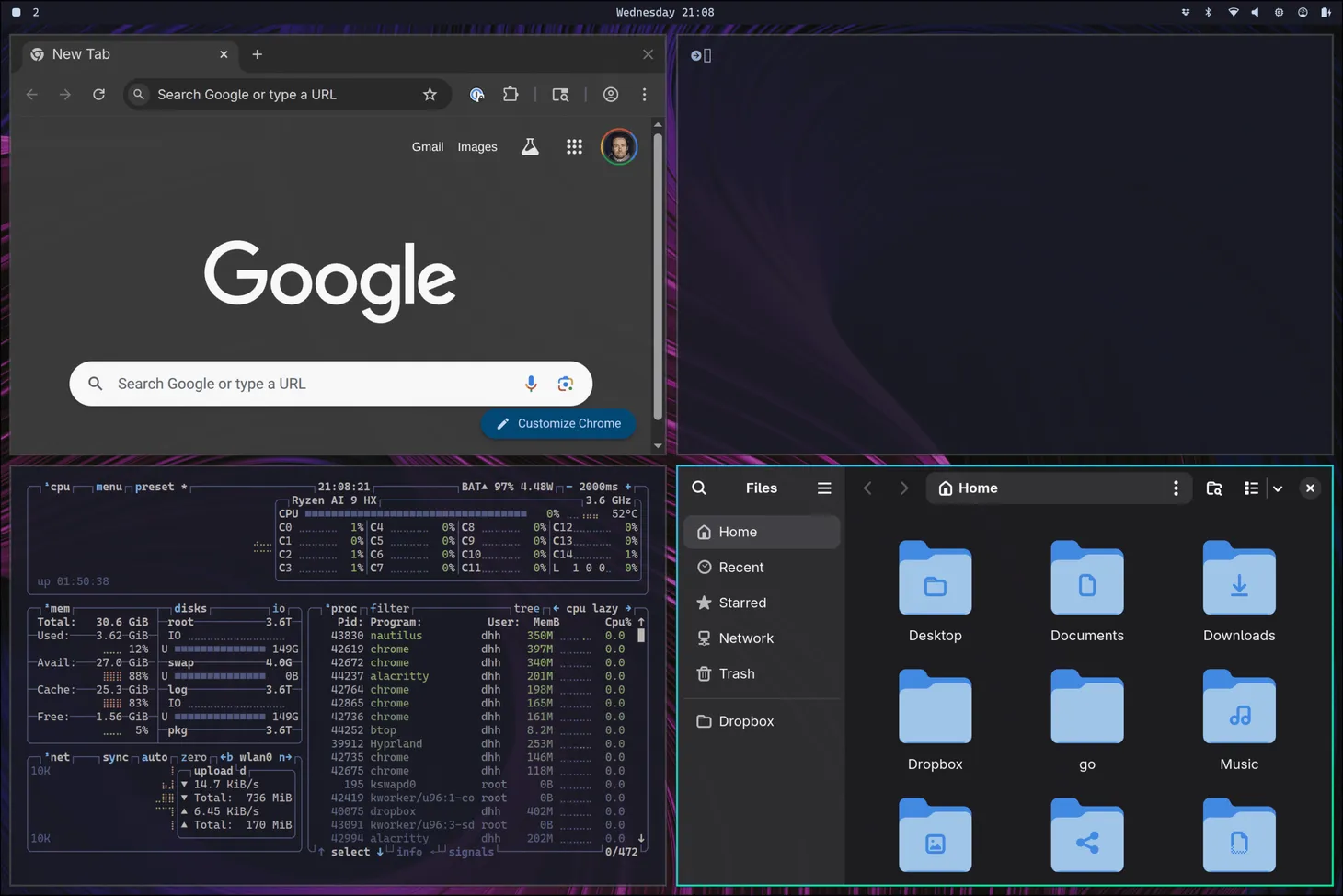
Okay, I’ll admit it: I love the ambitiousness of 37Signals rolling their own Arch-based Linux distro (called Omarchy) and the obvious enthusiasm CTO David Heinemeier Hansson has for the project. The minimalist distro has now reached what they are calling 2.0 and DHH made another demo video of himself geeking out over the capabilities.
The last six months have been a difficult time for media outlets. Overwhelmed by the news, many readers and listeners are tuning out. Those who are staying up to date are increasingly relying on artificial intelligence round-ups to get their news, which has caused website traffic to fall.
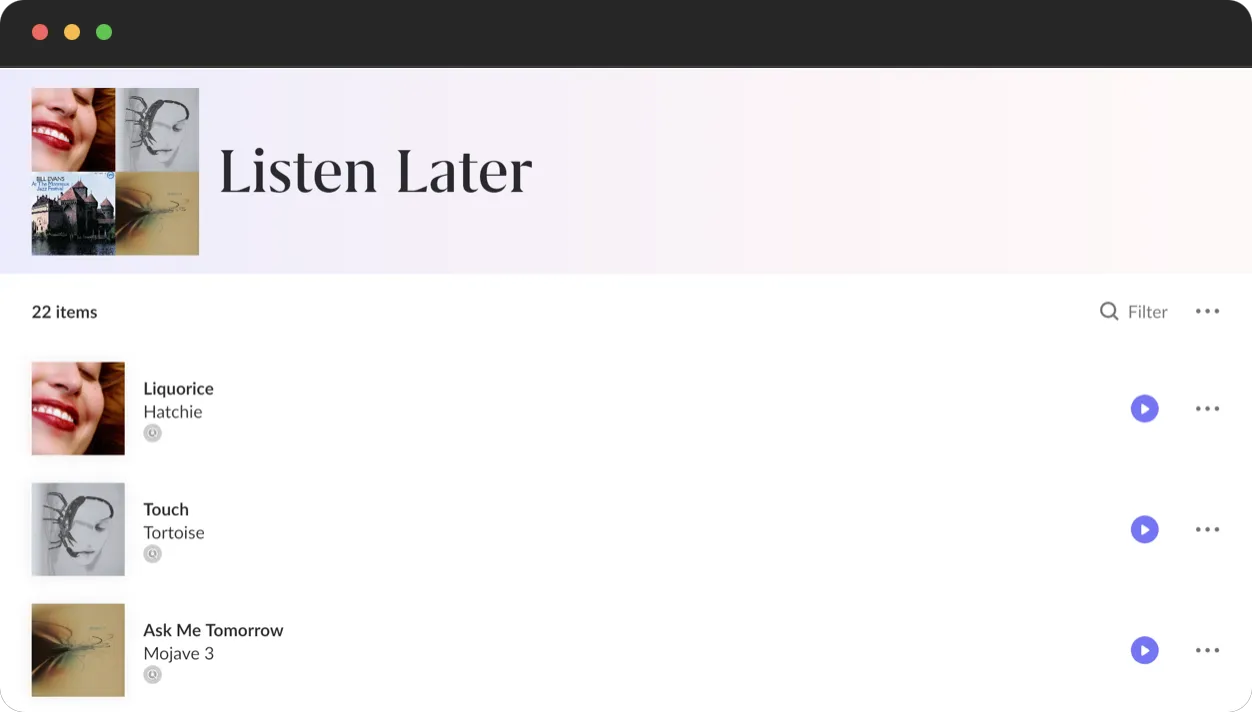
I was starting to get down about the fact that my read-it-later digests from Matter were causing crashing errors on my Kindle. The issue has been pretty consistent lately and I don’t have much hope of getting help since it’s not really a supported integration. A few years ago, I enjoyed the Kobo and Pocket sync, but Pocket was far from my favorite app. Now that Pocket is dead, I didn’t have much hope for another option.
The news that my O.G. favorite read-it-later service, Instapaper, is building a Kobo integration was a wonderful surprise today. I could definitely see myself moving back into the Kobo ecosystem, especially now that I can’t back up my Kindle purchases and Amazon can revoke my access to them at any time. In addition, I always want to reduce my reliance on Amazon in any way that makes sense.
I never expected to, nor did I want to, read the phrase “a gritty Pac-Man reboot.”
Oversized ambition seems to be an increasingly common feature of new software applications and services. Many of the new apps I try are swinging for the fences and walking away when the home run or grand slam doesn’t materialize. As I’m evaluating software now, I have to dig into what the expectations are for the commercial performance of the software. If they are unrealistic, it may be better not to get attached in the first place.
One of my favorite tools is the read-it-later app Matter. A few months ago, the founders of Matter posted about their health issues and how they had to give up on their goal of making Matter the next Duolingo. At some point, it became clear the product wasn’t going to have the same level of success. Their response was to call the app feature complete and put it in maintenance mode.