
You Could Do Anything

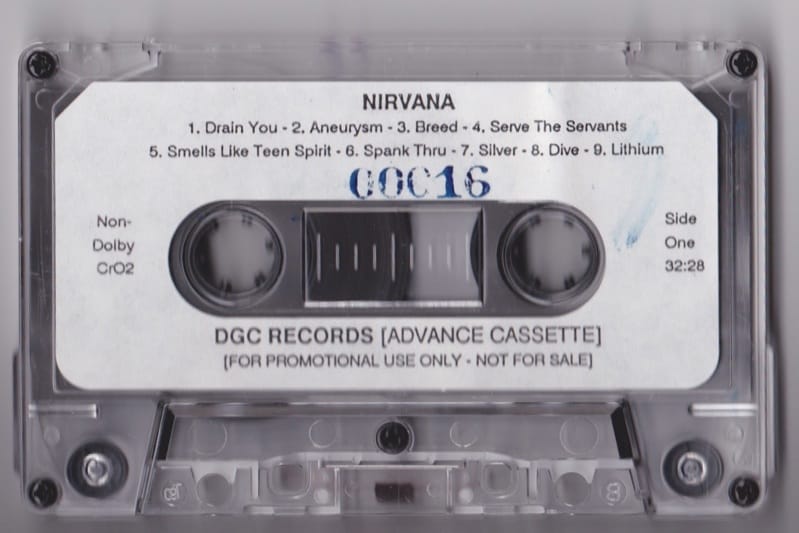
Shelly Ridenour penned an article for Qobuz on the stellar alternative albums from 1991. One observation that I found particularly poignant from having grown up during this period was around the change that Nirvana’s Nevermind brought to mainstream music with regard to gender dynamics.
Within a couple of months, the album was a hit, people were dressing in “grunge” flannel and, soon, hair metal was dropping off the charts. (The band’s feminist attitude was also a welcome change from the blatant sexism of hair metal.) Cobain’s aesthetic was very much a Gen X product of what was then known as college rock and would soon be categorized as alt rock, with an entire radio station format dedicated to the movement that Nirvana pushed into the mainstream. It seems perverse now to lump Nirvana with, say, the metal and classic rock leanings of other bands that were considered grunge—Pearl Jam, Alice in Chains, Soundgarden.
The rapid embrace of Nirvana certainly had a lot to do with their rebuke of the excesses of hair metal, including the rampant sexism and misogyny. By that time, the shock value had worn off, and those excesses were more sad than exciting.1 There is evidence, though, that this shift in attitude didn’t keep itself confined to popular music.
My wife and I are constantly amazed at some of the content of mainstream movies and other entertainment from the 80s and what the makers of those movies could get away with (on the big screen, at least). It’s even more surprising to my oldest son, who didn’t live through it. Revenge of the Nerds, with its testosterone-driven plot lines, simply couldn’t be made as a mainstream movie today. The change in attitudes seemed to very closely coincide with the public change in musical tastes.
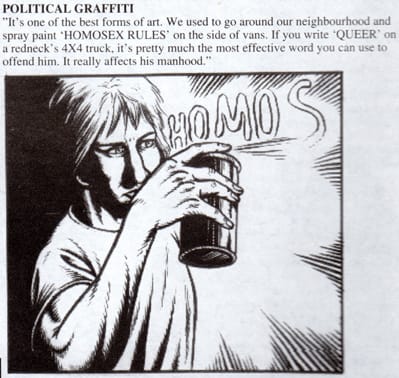
Though I would struggle to think of any Nirvana songs that were particularly overtly feminist, Kurt Cobain certainly had the cred from his circle of friends. The title for “Smells Like Teen Spirit” comes from Kathleen Hannah of the riot grrrl band Bikini Kill.
How much was Nirvana simply riding a wave of what was mostly known in the early nineties as “political correctness,” and how much did their popularity shape public perception? The significance of Nevermind can sometimes feel overstated by music journalists, but it may have represented a sea change in not just the music industry (who rushed to sign similar bands to lucrative recording contracts) but also broader cultural thinking.
Unfortunately, the Qobuz article is behind a membership subscription. However, I would strongly recommend the service to anyone interested in hi-res music.
- See The Decline of Western Civilization Part 2: The Metal Years for solid evidence. ↩︎

Treasure Hoard
Sign up for Treasure Hoard to receive email digests in your inbox.